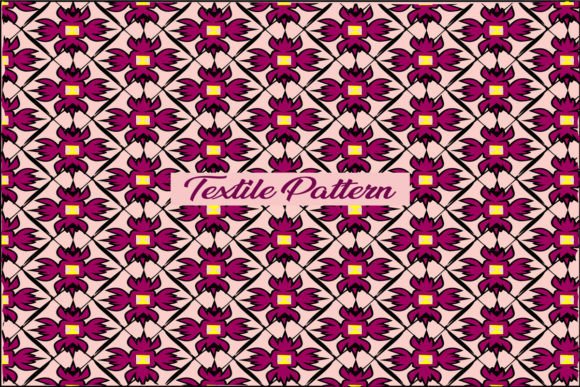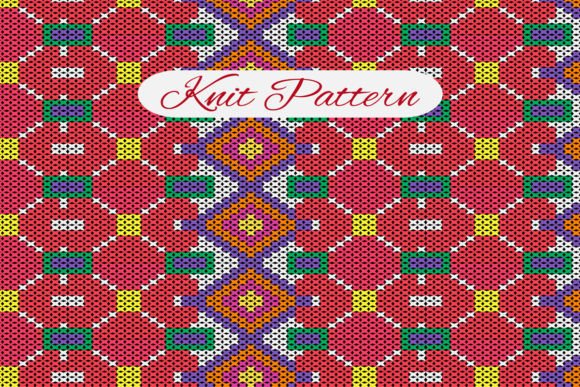
Exploring Knit Patterns and Their Versatile Applications in Design
Knit patterns have long been a staple in the textile and design industries, offering both functionality and aesthetic appeal. Whether you're an artist, fashion designer, or interior decorator, understanding how to use and create knit-inspired designs can elevate your projects significantly. With the rise of digital print technology, these traditional techniques have found new life in modern formats such as vector graphics and high-resolution images, making them accessible for a wide range of applications including wall art, throw blankets, tapestries, and more.
What Is a Knit Pattern?
A knit pattern is a structured design that mimics the appearance of knitted fabric using visual elements like loops, stitches, and textures. These patterns are often characterized by their soft, organic feel and can be either realistic representations of actual knitting or stylized interpretations that capture the essence of the craft without replicating every detail.
Knit patterns are distinct from other types of textile-based motifs because they emphasize the three-dimensional nature of knitting. Unlike woven patterns, which tend to be flat and grid-like, knit patterns convey depth and movement through their interlocking lines and curves. This makes them ideal for adding warmth and texture to surfaces, especially in home décor and fashion contexts.
Key Features of Knit Pattern Designs
- Texture-rich visuals: They replicate the tactile quality of real knits through visual cues like bumps, ridges, and shadows.
- Repetition and rhythm: Many knit patterns follow a continuous loop structure, creating a sense of flow and cohesion.
- Customizability: Digital versions allow for easy scaling, color adjustments, and modifications to suit specific needs.
- Timeless appeal: Knit motifs evoke a classic, cozy vibe that remains popular across various design trends.
How Knit Patterns Compare with Embroidery and Other Textile-Inspired Designs
When considering textile-based design options, it's important to understand how knit patterns differ from alternatives like embroidery patterns or woven textures. Each has its own unique characteristics and best-fit applications.
Embroidery patterns, for example, are typically used to add decorative stitching on top of a base fabric. They focus on intricate details and often feature raised elements, similar to 3D embroidery. In contrast, knit patterns simulate the entire surface of a knitted material, making them better suited for backgrounds or large-scale prints where the overall look matters more than individual stitch details.
Woven patterns, another common alternative, usually consist of horizontal and vertical lines intersecting at regular intervals. While this gives them a clean, geometric appearance, they lack the fluidity and irregular charm of knit designs. For those looking to achieve a more natural or handcrafted look, knit patterns offer a compelling choice.
Best-Fit Situations for Knit vs. Embroidery
- Knit patterns work well for digital prints on fabrics like scarves, dresses, and floor pillows where texture and repetition are key.
- Embroidery patterns are better for small, detailed areas such as monogrammed towels or embellishments on jackets and bags.
- For wall art and decorative cushions, knit patterns provide a consistent, warm aesthetic that complements both modern and rustic interiors.
The Role of Vector Graphics in Modern Knit Pattern Design
With advancements in digital tools, vector graphic continuous knit patterns have become increasingly popular. Vector files (such as AI, EPS, SVG) allow designers to scale patterns infinitely without losing clarity, making them perfect for everything from tiny gift tags to large banners.
A continuous knit pattern refers to a seamless design that repeats endlessly, ensuring no visible breaks when printed across multiple surfaces. This is particularly valuable in digital print projects where the pattern needs to wrap around objects or tile seamlessly across walls and textiles.
Strengths of Vector-Based Knit Patterns
- Scalability: Vector files maintain sharp edges and clear lines at any size, unlike raster images which may pixelate when enlarged.
- Color flexibility: Easily change colors or apply gradients to match brand palettes or seasonal themes.
- Compatibility: Work across a variety of software platforms and printing technologies, including laser cutting and CNC machines.
- Print readiness: Ideal for sublimation, screen printing, and heat transfer methods due to their clean, repeatable structure.
Practical Uses for Knit Pattern Files in Various Industries
Having access to a comprehensive set of knit pattern files—including AI, EPS, PDF, SVG, and JPG formats—opens up numerous creative possibilities. Let’s explore some practical use cases:
Fashion and Apparel
In fashion design, knit patterns can be applied to dresses, skirts, and accessories to give them a textured yet elegant finish. The versatility of these files allows designers to experiment with different color schemes and layouts before finalizing production samples.
Home Décor
For home décor items like throw blankets, cushions, and floor pillows, knit patterns add a layer of sophistication and comfort. They can also serve as background elements in wall art or tapestry prints, helping to create a cohesive theme in interior spaces.
Gift Wrapping and Stationery
Stylish gift wrapping often benefits from subtle texture. A low-opacity knit pattern printed on kraft paper or tissue can transform an ordinary present into something special. Similarly, stationery like greeting cards and packaging labels can gain visual interest with the addition of a discreet knit motif.
Digital Projects and Graphic Design
Graphic designers frequently use knit patterns as backgrounds for websites, app interfaces, or marketing materials. When paired with minimalist typography or photography, they can enhance the visual hierarchy while maintaining a soft and inviting tone.
Evaluating the Tradeoffs of Using Knit Pattern Files
While knit patterns are highly versatile, they do come with certain tradeoffs depending on the project type and medium. Understanding these will help you determine whether they’re the right fit for your needs.
Strengths
- They provide a tactile illusion that works well with soft goods and cozy aesthetics.
- Continuous designs ensure professional results when printed on multiple substrates.
- Available in multiple file formats for compatibility with various design and print workflows.
Potential Limitations
- Highly detailed knit patterns may not perform well at very small sizes due to their complex line structures.
- They may require additional layers or treatments to stand out on dark or busy backgrounds.
- Creating custom knit patterns from scratch can be time-consuming without the right tools or experience.
Choosing Between Stylized and Realistic Knit Patterns
One decision point when working with knit patterns is choosing between stylized and realistic designs. Stylized patterns simplify the visual elements for broader appeal and easier integration into diverse projects. Realistic ones aim to closely resemble actual knitted fabric, complete with shadows and variations in stitch density.
If you're designing for a product like a scarf, a realistic knit pattern might be preferable to maintain authenticity. However, for digital prints such as gift wrapping or decorative cushions, a stylized version could offer more flexibility in terms of color and layout.
File Formats and Their Implications for Use
When purchasing or sourcing knit pattern designs, the included file types play a crucial role in determining their usability. Here's what each format offers:
- AI (Adobe Illustrator): Best for editing and customizing vector elements. Supports advanced features like gradients and layers.
- EPS (Encapsulated PostScript): Widely supported for commercial printing and compatible with most design software.
- PDF (Portable Document Format): Useful for sharing and viewing the pattern but limited in scalability unless embedded as a vector.
- SVG (Scalable Vector Graphics): Ideal for web use and digital embroidery due to its resolution-independent nature.
- JPG (Joint Photographic Experts Group): Suitable for quick previews or non-editable print applications but less flexible for resizing or modification.
Having all these formats available ensures that the pattern can be adapted to almost any digital or physical medium, from digital signage to embroidered garments.
When to Choose Knit Over Alternatives
Deciding whether to go with knit patterns over other styles depends on the desired outcome and target audience. Here are a few scenarios where knit patterns shine:
- You want to create a cozy, artisanal look in home décor or fashion products.
- Your design requires a seamless repeat for tiling or wrapping around curved surfaces.
- You need a versatile file set that supports both print and digital workflows.
- The project involves textiles or soft materials where texture plays a major role.
Conversely, if your goal is to highlight bold, geometric shapes or minimalism, a knit pattern may not be the best fit. It’s always wise to consider the context and how the pattern will interact with other design elements.
Real-World Examples of Knit Pattern Usage
To better illustrate how knit patterns can be utilized, let’s consider a few examples:
- Wall Art: A continuous knit pattern in muted tones can serve as a sophisticated background for a gallery wall or accent piece.
- Cushion Covers: Adding a subtle knit texture to solid-colored covers can make them appear more handmade and luxurious.
- Scarves and Tapestries: High-contrast knit patterns work beautifully in wool or synthetic blends, giving a finished look without requiring physical knitting skills.
- Dress Fabrics: Knit-inspired prints can mimic the drape and softness of actual knitted materials, making them suitable for casual wear collections.
Conclusion: Making an Informed Choice
Knit patterns offer a unique blend of texture, repetition, and visual warmth that can enhance both traditional and digital design projects. By comparing them with alternatives like embroidery and woven patterns, you can better appreciate their strengths and limitations. Whether you're crafting a digital print for home décor or designing a fashion accessory, the availability of multiple file formats ensures adaptability and precision.
Ultimately, the decision to use a knit pattern should be based on the project's goals, the intended medium, and the desired aesthetic. With careful evaluation and thoughtful application, these patterns can become a powerful tool in your creative arsenal.