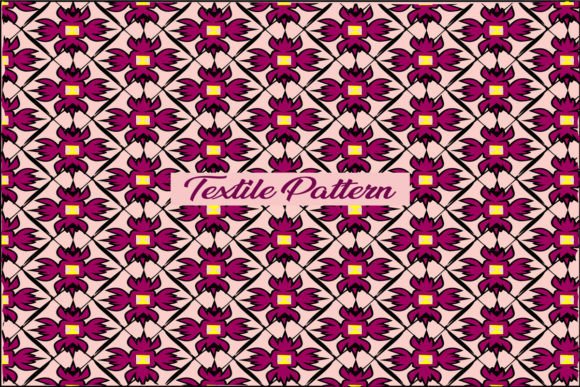
Textile Pattern: A Versatile Design Element for Creative Projects
Textile patterns are an essential component of design across multiple industries, from fashion to home décor. They provide visual interest, cultural context, and functional appeal, making them a valuable asset in both traditional and digital creative workflows. With the rise of digital print technologies, Textile Pattern has evolved beyond its historical roots into a highly flexible and accessible design format. This article explores the practical applications, characteristics, and benefits of using Textile Pattern, particularly when paired with modern formats like Vector Graphic Continuous for digital print.
Understanding Textile Patterns and Their Significance
A Textile Pattern refers to any recurring design element applied to fabric surfaces through weaving, dyeing, printing, or other methods. These patterns can range from subtle geometric shapes to bold floral motifs, and they serve both aesthetic and symbolic purposes. Historically, textile patterns have been used to convey cultural identity, status, and even spiritual meaning. Today, they remain a powerful tool for designers looking to add personality and cohesion to their projects.
The value of Textile Pattern lies in its adaptability. Whether you're designing a high-end dress or a custom floor pillow, these patterns can be tailored to suit different styles, materials, and production techniques. Their ability to blend tradition with innovation makes them especially relevant in contemporary design environments where customization and scalability are key.
Key Characteristics of Effective Textile Patterns
- Repetition: One of the most defining traits of a Textile Pattern is its ability to repeat seamlessly. This is crucial for large-scale applications such as wall art or throw blankets.
- Color Harmony: Well-designed patterns maintain color balance and contrast, ensuring visual appeal without overwhelming the viewer.
- Scalability: High-quality Textile Patterns must perform well at various sizes, from small cushions to expansive tapestries.
- Texture and Contrast: Especially important in knitted craft backgrounds, texture adds depth and dimension to the final product.
- Cultural Relevance: Many Textile Patterns are inspired by regional or historical designs, which can enhance the storytelling aspect of a project.
Vector Graphic Continuous for Digital Print: Enhancing Precision and Flexibility
In the digital age, Vector Graphic Continuous files have become a go-to resource for professionals working with Textile Patterns. Unlike raster images, vector graphics retain clarity at any size, making them ideal for digital print applications. The continuous nature of the pattern ensures there are no visible seams or breaks when repeated across surfaces—a critical feature for items like gift wrapping, scarves, and floor pillows.
When evaluating a Textile Pattern that includes a Vector Graphic Continuous file, it's important to consider how this format supports precision in scaling and alignment. It also allows for easy editing, enabling users to modify colors, elements, or layout before finalizing the design for print. This level of control is particularly beneficial for entrepreneurs and marketers who need consistent branding across products like cushion covers or tapestry wall hangings.
Practical Applications Across Industries
Textile Patterns find use in a wide array of applications. In fashion design, they can elevate dresses and skirts with decorative flair while maintaining wearability. For interior décor, Textile Pattern contributes to cohesive room aesthetics—think throw blankets and wall art that tie together a space’s color scheme and style.
Consider a boutique clothing brand aiming to launch a new line of printed skirts. By using a Textile Pattern designed with Vector Graphic Continuous specifications, the designer can ensure the pattern aligns perfectly on every piece, regardless of fabric width or garment shape. Similarly, a home décor business might use the same pattern across multiple products—floor pillows, tapestries, and cushions—to create a signature look that enhances brand recognition.
Who Can Benefit Most from Using Textile Pattern Files?
Professionals in several fields can leverage Textile Pattern files to streamline their workflow and improve output quality. Here are some of the primary beneficiaries:
- Graphic Designers: Those creating digital prints for textiles will appreciate the flexibility of having multiple file types (AI, EPS, PDF, SVG, JPG) to work with, depending on the platform or printer requirements.
- Entrepreneurs and Small Business Owners: Offering customizable products like scarves or wall art requires scalable, high-quality assets. Textile Pattern files allow for consistent reproduction, reducing waste and increasing customer satisfaction.
- Freelancers and Creators: Independent creators often rely on versatile design assets to diversify their portfolio. A single Textile Pattern can be adapted for multiple purposes, from digital illustrations to physical goods.
- Marketers and Publishers: Branded merchandise such as throw blankets or gift-wrapping materials benefit from seamless, repeatable patterns that reinforce visual identity without requiring complex layout adjustments.
- Knitters and Craft Enthusiasts: Knitted craft backgrounds based on Textile Pattern designs offer structure and inspiration for handcrafted projects, helping hobbyists maintain consistency in their work.
Evaluating Quality and Long-Term Value
Quality is a major factor when selecting Textile Pattern files for digital print. Seamless repetition, crisp lines, and accurate color representation are indicators of a professionally crafted pattern. When assessing a pattern for long-term use, consider whether it can be reimagined for future collections or repurposed for different product lines.
For example, a fashion designer might begin with a Textile Pattern suited for summer dresses but later adjust the color palette for a winter collection using the same base design. The availability of AI, EPS, and SVG files makes such modifications straightforward, preserving the original intent while allowing for creative evolution.
Usability is another strength of modern Textile Pattern assets. The inclusion of multiple file types means users can choose the most appropriate one for their software or printing method. An AI file is great for detailed edits in Adobe Illustrator, while an SVG might be better suited for laser cutting or embroidery. The JPG version serves as a quick preview for mockups or online sales platforms.
Real-World Performance and Limitations
While Textile Pattern files offer many advantages, their performance depends on the application and the tools used. In digital print scenarios, resolution and ink compatibility are key concerns. A high-resolution JPG is useful for viewing, but for actual printing, vector-based files like AI or EPS are more reliable in maintaining sharpness and detail.
One limitation to note is that not all Textile Patterns translate equally well across different mediums. A pattern that looks stunning on a scarf may appear too busy on a throw blanket or vice versa. Therefore, it’s wise to test the pattern on sample materials before mass production. This step helps avoid issues like color fading or misalignment during the printing process.
Additionally, the complexity of the pattern should match the intended use. Highly intricate designs may require advanced printing capabilities and careful placement to avoid distortion. Simpler, repeating motifs tend to be more forgiving and easier to scale effectively.
Recommendations for Optimal Use
- Choose the Right File Type: Use AI or EPS for editing, SVG for scalable embroidery or laser cutting, and JPG for presentations or previews.
- Test Before Printing: Always print a small swatch to check how the pattern appears on the target material. Adjustments may be necessary for optimal results.
- Stay Mindful of Cultural Context: If your Textile Pattern draws from traditional or ethnic motifs, ensure it’s respectful and accurately represents its origins.
- Integrate into Branding Strategically: Use the pattern consistently across product categories to build a recognizable visual language for your brand.
- Balance Creativity with Practicality: While unique designs are appealing, ensure they remain functional and suitable for the end-use scenario.
Enhancing Workflow with Multiple File Formats
The variety of included files—such as AI, EPS, PDF, SVG, and JPG—ensures that the Textile Pattern is usable across different stages of a project. The AI file provides full editability for graphic designers, while the EPS format is widely accepted by professional printers. The PDF is convenient for sharing with clients or collaborators, and the SVG format is perfect for embroidery or laser engraving applications.
This multi-format approach streamlines the design-to-production pipeline. For instance, a creator designing a set of floor pillows for an online store can use the JPG for website visuals, the SVG for machine-cutting, and the AI file for tweaking the pattern layout if needed. Such versatility reduces the time spent converting files between formats and minimizes errors during the process.
Case Studies and Realistic Examples
Let’s take a closer look at how a Textile Pattern might be applied in real-world scenarios:
- Fashion Line Launch: A startup fashion brand uses the Textile Pattern for a limited-edition skirt line. The pattern is digitally printed on lightweight cotton, giving the garments a modern yet timeless feel. The same pattern is then adapted for packaging, reinforcing the brand’s visual identity.
- Home Décor Collection: An interior design company creates a seasonal collection featuring throw blankets and wall art. The Textile Pattern’s continuous nature allows for uniform coverage, and the flexibility of the file formats enables quick updates to the design for holiday promotions.
- Custom Gift Wrapping: A wedding planner offers bespoke gift-wrapping services using Textile Patterned paper. The pattern’s elegance complements luxury gifts, and the availability of high-resolution JPGs ensures clear presentation in client proposals.
These examples illustrate the broad utility of Textile Pattern assets and highlight how they can support diverse creative needs with minimal hassle.
Final Thoughts on Choosing and Using Textile Patterns
Selecting the right Textile Pattern involves understanding your audience, medium, and production goals. Whether you’re a seasoned designer or a passionate hobbyist, the combination of artistic expression and technical reliability offered by modern pattern files is invaluable. The ability to reuse, modify, and apply the same design across multiple products enhances efficiency and creativity alike.
When considering a Textile Pattern for digital print, evaluate how well it suits your intended application. Will it repeat smoothly? Does it hold up under different lighting or fabric textures? How easily can it be edited or scaled? Addressing these questions early on can prevent costly revisions and help you achieve a polished final product.
Ultimately, the right Textile Pattern can elevate your work from ordinary to extraordinary. Its thoughtful integration into fashion, décor, and craft projects demonstrates a deep understanding of design principles and user experience. As digital tools continue to evolve, the role of Textile Pattern in creative expression will only grow, offering endless opportunities for innovation and personalization.