Understanding the Lizard Home Icon Symbol Vector in Modern Design Ecosystems
In the vast landscape of digital design, visual communication relies heavily on the precision and clarity of vector graphics. Among the myriad symbols used to convey complex ideas quickly, the Lizard Home Icon Symbol Vector stands out as a unique intersection of nature-inspired aesthetics and functional interface design. This specific iconography is not merely a decorative element; it represents a sophisticated blend of biological accuracy and abstract minimalism, serving professionals, creators, and businesses across various industries.
The relevance of such an icon extends far beyond simple decoration. Whether utilized in wildlife conservation apps, reptile care platforms, or even as a metaphorical "home" base for creative projects, the lizard icon carries semantic weight. It combines the agility and adaptability associated with reptiles like geckos, iguanas, and chameleons with the universal concept of home—a place of safety, origin, and return. This article explores the multifaceted applications, design characteristics, and strategic advantages of incorporating this specific vector symbol into modern digital and print media.
The Anatomy of the Lizard Home Icon
To appreciate the utility of the Lizard Home Icon Symbol Vector, one must first understand its structural components. Vector illustrations are defined by their mathematical paths rather than pixel grids, allowing them to scale infinitely without loss of quality. This technical advantage is crucial for icons that must appear clearly on everything from tiny mobile app buttons to massive billboard displays.
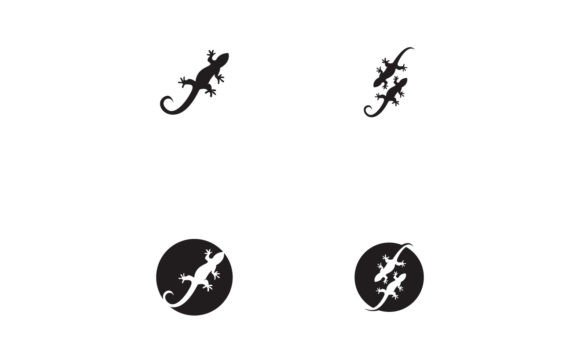
Visually, these icons often employ a clean outline or line art style. The silhouette of the lizard is typically simplified to highlight key anatomical features—such as the distinct head shape, textured scales implied through minimal lines, and the sweeping curve of the tail. In many variations, the tail curls around to form the shape of a house, merging the animal with the architectural structure. This dual imagery creates a powerful cognitive link between the creature and the concept of shelter.
Color palettes in these designs vary widely but often lean towards natural tones. A green palette might evoke feelings of growth, nature, and tranquility, making it ideal for eco-friendly brands or gardening applications. Conversely, a black and white high-contrast version offers versatility, ensuring legibility against any background. Some creative interpretations utilize tropical hues like orange or blue to represent species like the Blue Iguana or the Green Anole, adding a layer of educational value to the design.
Strategic Applications Across Industries
The versatility of the lizard icon allows it to serve diverse sectors. Its application is not limited to zoology; instead, it acts as a flexible metaphor for stability, adaptation, and niche expertise.
Wildlife Conservation and Educational Platforms
For organizations dedicated to preserving biodiversity, the Lizard Home Icon Symbol Vector serves as an intuitive navigational aid. In mobile applications designed for birdwatchers or herpetologists, this icon can designate sections related to habitat preservation, breeding programs, or field research logs. The use of a realistic yet stylized reptile illustration helps users immediately identify content related to amphibian and reptile studies, distinguishing it from mammal-focused sections.
Educational resources also benefit from this symbolism. Teachers and curriculum developers use these vectors in interactive learning modules about ecosystems. By pairing the icon with information about terrarium setups or wild habitats, educators can create engaging visual anchors that help students remember key concepts about cold-blooded animals and their environmental needs.
Pet Care and Veterinary Services
The exotic pet market is growing rapidly, with more households keeping geckos, bearded dragons, and chameleons as companions. For veterinary clinics specializing in exotics, the lizard icon provides immediate brand recognition. A logo featuring a cute, cartoon-style lizard nestled within a home shape communicates warmth and care, reassuring potential clients that their unusual pets will receive compassionate treatment.
Furthermore, online retailers selling reptile supplies—such as heat lamps, substrates, and live feeders—can use this icon to categorize products. It simplifies the user experience by offering a visual shortcut for shoppers looking for items specifically tailored to reptile husbandry.
Tech Startups and Creative Agencies
In the technology sector, the lizard has long been a symbol of innovation (e.g., NVIDIA’s GeForce branding). However, when adapted into a home icon, it takes on a new meaning related to cloud storage, local hosting, or community hubs. A tech startup focusing on sustainable living solutions might use a green lizard-home vector to represent their platform’s mission: creating a "home" for data-driven environmental insights.
Creative agencies may adopt this symbol for project management tools where "home" refers to the central dashboard. The playful nature of a cartoon lizard can soften the corporate image, suggesting creativity and flexibility—traits highly valued in the design industry.
Design Considerations and Best Practices
When integrating the Lizard Home Icon Symbol Vector into a larger design system, several factors must be considered to ensure effectiveness and accessibility.
- Simplicity and Scalability: The icon must remain recognizable at small sizes. Intricate details, such as individual scale patterns or complex eye textures, should be minimized. The focus should remain on the overall silhouette and the integration of the lizard and home shapes.
- Style Consistency: If a brand uses line-art icons, the lizard should not be filled with solid color unless it aligns with the broader visual language. Mixing styles can create visual clutter. A cohesive set of symbol vectors ensures a professional appearance.
- Cultural Sensitivity: While lizards are generally viewed neutrally or positively in design, cultural perceptions of reptiles can vary. In some contexts, they may symbolize danger or deceit. Designers should assess their target audience to ensure the imagery aligns with the intended message of safety and comfort.
- Accessibility: Color contrast is critical. A light green lizard on a white background may fail WCAG (Web Content Accessibility Guidelines) standards. Using darker shades or providing alternative text descriptions ensures that screen readers and visually impaired users can access the information conveyed by the icon.
The Psychological Impact of Nature-Inspired Icons
Human beings have an innate connection to nature, a phenomenon known as biophilia. Incorporating organic shapes and animal motifs into digital interfaces can reduce stress and increase user engagement. The Lizard Home Icon Symbol Vector leverages this psychological response. The smooth curves of the lizard’s body and the familiar geometry of a house create a sense of harmony.
This effect is particularly potent in wellness and lifestyle applications. A meditation app might use a serene, abstract lizard icon to guide users to their main dashboard, subtly promoting calmness and grounding. Similarly, interior design blogs or real estate websites focusing on eco-friendly homes might use this symbol to highlight properties with integrated gardens or natural materials.
Technical Implementation and Format Flexibility
From a technical standpoint, vector formats such as SVG (Scalable Vector Graphics) are the gold standard for deploying these icons. SVG files are XML-based, meaning they are lightweight, code-editable, and easily animated. Developers can manipulate the path data to change colors on hover states or animate the lizard’s tail swaying gently, adding a dynamic layer of interactivity.
Moreover, the isolation of the graphic on a transparent background allows for seamless integration into any layout. Whether placed over a white background for clarity or overlaid on a photographic background of a tropical forest, the vector maintains its integrity. This flexibility makes it an indispensable asset for web designers, UI/UX specialists, and graphic artists who require adaptable visual elements.
Future Trends in Iconography
As digital design evolves, there is a noticeable shift towards more expressive and character-driven icons. Flat design is giving way to subtle gradients, 3D effects, and micro-interactions. The Lizard Home Icon Symbol Vector is well-positioned to adapt to these trends. Future iterations may feature depth and shadow, making the lizard appear to pop off the screen, or incorporate motion graphics that bring the creature to life.
Additionally, the rise of AI-generated design tools means that variations of this icon can be customized rapidly to fit specific brand identities. A business might generate a tribal-patterned lizard home icon to reflect a heritage brand, or a minimalist wireframe version for a sleek tech product. The core concept remains constant, but its expression can be endlessly varied.
Conclusion
The Lizard Home Icon Symbol Vector is more than just a graphical representation of a reptile in a house. It is a versatile, semantically rich tool that bridges the gap between nature and technology. By understanding its anatomical simplicity, strategic applications, and psychological impact, designers and businesses can leverage this icon to enhance user experience, communicate brand values, and create memorable visual identities. Whether used in a zoo app, a veterinary website, or a creative portfolio, this symbol continues to prove that effective design lies in the thoughtful combination of form and function.