Keep an Open Mind Quotes for Design: Inspire Creativity and Innovation
In the world of design, keeping an open mind is not just a mindset—it’s a powerful tool. Whether you're working on typography, illustration, or graphic design projects, an open mind can lead to breakthrough ideas, unique solutions, and artistic growth. To help designers embrace this philosophy, many have turned to motivational quotes that encourage curiosity, creativity, and flexibility in thinking.
Why Open-Mindedness Matters in Design
Design is more than aesthetics; it's about solving problems, communicating messages, and connecting with audiences. A closed mindset can limit your ability to explore new concepts, techniques, or tools, while an open one fosters innovation and adaptability. In today’s fast-paced digital landscape, where trends evolve rapidly and clients often have diverse needs, being open to change is essential.
Open-minded design professionals are more likely to:
- Explore unconventional solutions
- Collaborate effectively with others
- Stay inspired and avoid creative burnout
- Grow professionally through continuous learning
The Role of Motivational Quotes in Design Thinking
Motivational quotes serve as reminders and sparks of inspiration. They can be especially useful in design, where creative blocks are common. These quotes don’t just look good—they help shift perspectives, challenge assumptions, and reignite passion for the craft. When used in visual formats like posters, banners, or social media graphics, they also become shareable content that can inspire others.
Types of Keep an Open Mind Quotes for Design Projects
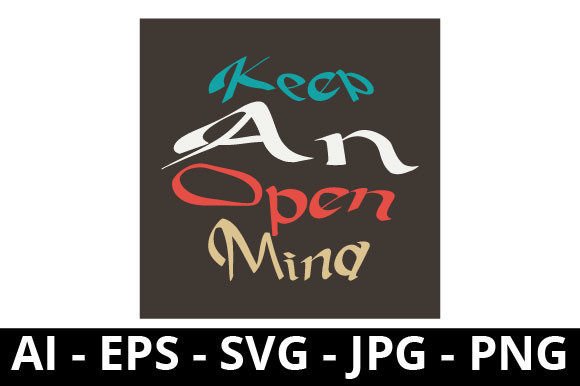
Quotes for design come in various forms, each tailored to different aspects of the creative process. Here are some popular types found in ZIP folders containing AI, EPS, SVG, JPG, and PNG files:
1. Typographic Quotes
These focus on the visual arrangement of text. They use bold fonts, spacing, and alignment to emphasize the message. For example, a quote like “Keep an open mind, and let creativity flow” might be presented in a fluid script font to mirror the theme of openness and movement.
2. Decorative and Wording Quotes
Decorative quotes combine text with illustrations, patterns, or textures. They’re often used in branding, print materials, or greeting cards. A ZIP folder might include a set of vector-based wording designs that feature floral borders or minimalist icons alongside the quote.
3. Signage and Banner Quotes
These are ideal for public spaces, events, or online promotions. Phrases like “Stay curious, stay creative” can be transformed into large-format banners or signage. The format usually includes high-resolution PNG or JPG files for clarity and impact.
4. Script and Lettering Quotes
Handwritten-style lettering adds a personal touch to any design. These quotes are often used in art prints, logos, or website headers. Their beauty lies in the uniqueness of the script, which can evoke emotions and add character to a project.
5. Illustration-Based Quotes
Combining imagery with text, these quotes tell a story visually. They are great for educational content, motivational posters, or blog headers. An example could be a quote saying “Design with purpose, think without limits,” paired with an abstract illustration of open doors or expanding horizons.
How to Use Keep an Open Mind Quotes in Your Work
Whether you're a designer, educator, entrepreneur, or student, these quotes can enhance your projects in multiple ways. Below are some practical applications:
Creative Inspiration
When stuck in a rut, a well-placed quote can act as a mental reset button. Many designers keep a collection of open-mind quotes saved in their AI or SVG libraries to pull from during brainstorming sessions. These can be layered over background images or used as standalone prompts.
Client Presentations
Using quotes in presentations can make your pitch more engaging. For instance, placing a quote like “Great design is born when you dare to see differently” at the beginning of a proposal can set the tone for innovative thinking and client trust.
Print and Poster Design
Print materials benefit greatly from thoughtful typography. A ZIP folder offering various file types allows you to scale the design appropriately for both digital and print. You can choose between vector-based AI/EPS/SVG files for crisp, scalable output or raster JPG/PNG files for quick web use.
Social Media and Branding
Brands often use motivational quotes as part of their identity. Including them in social media posts, email signatures, or website banners helps convey a consistent message of innovation and inclusivity. A ZIP folder may offer variations of the same quote in different styles to match brand aesthetics.
Popular Themes and Keywords in Open-Mind Quotes
When curating or creating keep-an-open-mind quotes for design, consider themes that resonate with modern audiences. Common keywords and phrases include:
- Openness – Emphasizing the importance of new perspectives
- Curiosity – Encouraging exploration and learning
- Innovation – Highlighting creative problem-solving
- Wisdom – Suggesting depth and experience in thinking
- Living – Promoting a mindset that applies beyond work
- Script – Focusing on the handwriting style of the quote
- Motivation – Sparking action and positive change
- Typography – Showcasing the power of type in communication
Examples of Powerful Quotes for Designers
Here are a few examples of how these themes translate into impactful quotes:
- “The best way to predict the future is to create it.” — Abraham Lincoln (often rephrased for design contexts)
- “Design is not just what it looks like and feels like. Design is how it works.” — Steve Jobs
- “Be open to the unexpected.” — Unknown but widely shared in design circles
- “Don’t let the perfect be the enemy of the good.” — Voltaire (encourages iterative design processes)
Understanding File Formats for Design Projects
ZIP folders containing design assets typically offer a range of file types to suit different uses. Understanding which format to use ensures your quote design remains professional and versatile:
AI (Adobe Illustrator)
Ideal for editable vector graphics. Perfect for resizing without loss of quality, making it suitable for both print and digital use.
EPS (Encapsulated PostScript)
Similar to AI, EPS is commonly used in print media due to its compatibility with most design software. It maintains sharp edges and clean lines.
SVG (Scalable Vector Graphics)
Great for web-based projects. SVG files are lightweight and scalable, allowing for seamless integration into websites and interactive platforms.
JPG and PNG
Raster image formats that are excellent for sharing on social media, embedding in websites, or printing. PNGs support transparency, which is useful for overlaying text on complex backgrounds.
Common Misconceptions About Open-Minded Design
Despite the benefits, some people misunderstand the concept of keeping an open mind in design. Let’s address a few common misconceptions:
- Myth: Open-minded means accepting all ideas. Reality: Being open doesn’t mean compromising quality. It means considering new approaches before deciding.
- Myth: Only beginners need inspirational quotes. Reality: Even experienced designers face challenges and need motivation to stay fresh and innovative.
- Myth: These quotes are only for decoration. Reality: While visually appealing, they carry meaningful messages that can influence thought processes and foster collaboration.
Where to Find and How to Organize These Resources
Many designers turn to curated ZIP folders that contain ready-to-use keep-an-open-mind quotes. These packages often include multiple versions of the same phrase in different styles—think minimalist, vintage, modern, or whimsical. Organizing these assets by file type makes it easy to access the right format for the job.
You might find such collections in design marketplaces like Adobe Stock, Creative Market, or Etsy. When purchasing, ensure the ZIP folder includes:
- Editable vector files (AI, EPS, SVG) for customization
- High-quality raster images (JPG, PNG) for instant use
- Clear licensing information for commercial or personal use
- Instructions or templates to guide implementation
Building a Personal Design Library
Creating a personal library of open-mind quotes helps streamline your workflow. You can categorize them based on theme, color scheme, or intended use. For example:
- Colorful Quotes for social media posts
- Black-and-White Quotes for print or minimalistic designs
- Large Format Quotes for posters or banners
- Simple Text Quotes for headers or website sections
Integrating Open-Mind Philosophy Into Daily Design Practices
Beyond using quotes as design elements, the idea of keeping an open mind should shape your daily workflow. Here are some tips to apply this philosophy practically:
- Embrace feedback — Listen to critiques without defensiveness. Every perspective can contribute to better design.
- Experiment freely — Don’t be afraid to try something new. Sometimes the best results come from unexpected choices.
- Stay informed — Follow design blogs, attend workshops, or engage with communities to stay updated on trends and techniques.
- Think outside the box — Challenge traditional approaches and ask “what if?” questions regularly.
- Collaborate across disciplines — Working with writers, developers, or marketers can broaden your understanding and improve outcomes.
Final Thoughts: Design with Openness and Purpose
Design is an ever-evolving field that thrives on innovation and diverse perspectives. By incorporating keep-an-open-mind quotes into your projects, you not only beautify your visuals but also reinforce a mindset of curiosity and growth. Whether you're designing a logo, a poster, or a banner, the right quote can elevate the message and connect deeply with your audience.
So next time you're facing a creative block or looking for inspiration, remember: staying open is the first step to discovering something extraordinary. Explore the wealth of typographic, decorative, and illustrative quote designs available in ZIP folders, and let them guide your journey toward more thoughtful, impactful, and inspiring work.