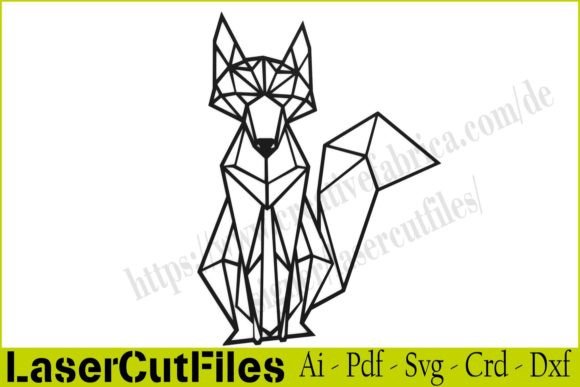
Geometric Fox for Laser Cut: A Modern Approach to CNC Animal Decor
What Is a Geometric Fox for Laser Cut?
A geometric fox for laser cut is a digitally designed representation of a fox, composed using geometric shapes and lines. This design is optimized specifically for use with CNC (Computer Numerical Control) laser cutting machines, allowing it to be transformed from a flat 2D pattern into a three-dimensional or decorative object. These designs are often used in home decoration, art projects, educational tools, and commercial products such as gift boxes or promotional items.The Purpose and Significance of Laser-Cut Fox Designs
- Home Decoration: The fox is a symbol of cleverness and charm, making it a favorite among homeowners looking to add personality to their living spaces. When laser-cut and assembled, it becomes a unique wall hanging, shelf ornament, or even part of a larger mosaic.
- Customization: Because these are digital files, they allow for easy customization. You can scale them, change colors, or combine them with other geometric animals to create personalized decor.
- Educational Use: In schools and workshops, these files help teach principles of geometry, design, and engineering through hands-on learning with laser cutters.
- Commercial Applications: Businesses can use laser-cut foxes as brand elements, packaging inserts, or display pieces at events or retail locations.
Understanding the Digital File Package
When you purchase a geometric fox for laser cut, you typically receive a ZIP file containing several folders and file types. This package is designed for compatibility with various laser cutting and engraving software platforms.A typical package includes:
- .CRD – Files compatible with RDWorks, a widely used software for laser cutting and engraving.
- .DXF – A standard CAD format ideal for precise vector-based cutting.
- .DWG – Another common CAD format, often used in professional environments.
- .SVG – Scalable Vector Graphics, suitable for use with graphic design software and laser controllers like LightBurn.
- .AI – Adobe Illustrator files, perfect for editing and customizing the design before cutting.
- .PDF – Provides a visual reference of the final product once assembled.
How to Access and Use the Files
- Decompression Software: Install either WinRAR or WinZip to extract the contents of the ZIP file. These programs are essential for opening compressed packages and accessing individual design files.
- Laser Cutting Software: Programs like LightBurn, RDWorks, LaserGRBL, and others are necessary to interpret the vector data and control the laser cutter. Each program has its own interface and settings, but most support the file types included in the package.
Practical Relevance in Today’s World
The geometric fox for laser cut fits into this trend by offering:
- Accessibility: Anyone with access to a laser cutter can bring the design to life, regardless of artistic skill level.
- Sustainability: Using laser-cut materials minimizes waste and supports eco-friendly practices when working with responsibly sourced wood or recycled plastics.
- Cost-Effectiveness: Compared to hiring artisans or purchasing pre-made decorative items, laser cutting provides a more affordable and customizable solution.
- Creativity: The fox design can be modified and combined with other elements, encouraging innovation and personal expression.
Real-Life Examples of Laser-Cut Fox Decor
- Fox Wall Art: Many artists and DIY enthusiasts laser-cut the fox onto wooden panels or acrylic sheets and assemble them into a layered relief sculpture. These pieces make stunning focal points in any room.
- CNC Fox Boxes: The fox design can be integrated into box structures, where it serves as a lid or panel. These boxes are both functional and decorative, often used for storing jewelry or small keepsakes.
- Relief Panels: By layering multiple parts, users can create depth and texture, turning a simple silhouette into a dynamic 3D relief.
- Gift Packaging: Retailers and crafters embed laser-cut fox patterns into gift boxes to enhance the unboxing experience and reflect brand identity.
Myth 1: You Need Advanced Skills to Use These Files
This is not true. While understanding the basics of laser cutting software helps, many geometric fox files come with clear instructions and pre-set parameters. Beginners can follow step-by-step guides to load the file, adjust the size, and send it to the machine without needing advanced technical knowledge.
Myth 2: Only Professionals Can Achieve Good Results
With the right tools and attention to detail, hobbyists and DIY creators can produce high-quality results. The precision of laser cutting means that even if you're new to the process, the final output will look polished and professional.
Myth 3: These Are Just For Kids or Novelties
Though foxes are cute and playful animals, the geometric interpretation elevates the design beyond childish themes. It's commonly used in adult-oriented home décor, office furniture, and sophisticated art installations.
Material Options
- Birch Plywood: Lightweight, durable, and comes in a variety of thicknesses. Ideal for wall art and boxes.
- Acrylic Sheets: Offers a glossy, transparent look. Great for modern, contemporary designs.
- MDF (Medium-Density Fiberboard): Smooth surface and easy to paint after cutting. Suitable for detailed reliefs and 3D models.
- Cardboard or Corrugated Board: Eco-friendly option for temporary displays or prototypes.
Equipment Considerations
You’ll need a CNC laser cutter to produce the physical item. If you don’t have one, many local maker spaces, hobbyist clubs, or online services offer laser cutting on demand. Be sure to confirm the specifications of the machine and the material thickness it can handle.Steps to Create Your Own Laser-Cut Fox Decor
- Extract the Files: Use WinRAR or WinZip to open the ZIP file and locate the folder matching your laser cutting software.
- Select the Appropriate File Format: Open the .CRD, .DXF, or .SVG file in your chosen software (e.g., LightBurn or RDWorks).
- Scale and Position: Adjust the size of the fox to fit your space or project requirements. Ensure all layers are properly aligned.
- Set Laser Parameters: Configure power, speed, and pass settings based on the material you're using. Most software includes presets for common materials.
- Perform Test Cuts: Before running the full job, do a test cut on a scrap piece of material to verify accuracy and make adjustments if needed.
- Assemble the Pieces: Once cut, follow the assembly instructions to glue or connect the parts. Some kits include templates or diagrams to guide you.
- Finish and Display: Sand, paint, or polish the finished piece before displaying it in your home or business.
Benefits of Digital Files for Laser Cutting
- Scalability: Easily resize the design without losing clarity or detail.
- Reusability: Print and cut multiple copies for bulk production or gifts.
- Consistency: Every cut will match the original design, ensuring uniformity in production.
- Time Efficiency: Eliminates the need for manual drawing or carving, speeding up the creation process.
- Cost Savings: Reduces labor costs and material waste, making it a budget-friendly option for large projects.