Colorful Wooden Birdhouses: A Beautiful Addition to Your Garden and Nature
Colorful wooden birdhouses have become a popular feature in gardens, parks, and natural landscapes around the world. These charming little shelters not only provide homes for birds but also add a vibrant and artistic touch to any outdoor setting. Whether you're an avid birder, a nature lover, or simply someone who appreciates handcrafted decor, a multicolored birdhouse on a tree can be both functional and visually appealing. In this article, we’ll explore what makes these birdhouses special, their purpose in the ecosystem, how they enhance your garden’s beauty, and why they’re more than just decorative objects.
What Are Colorful Wooden Birdhouses?
A colorful wooden birdhouse is a small shelter made from natural wood, painted or stained in bright, cheerful colors to attract attention and blend with or stand out from its surroundings. These structures are typically mounted on trees, poles, or buildings to offer safe nesting spaces for various bird species. The designs often include features like a small entrance hole, a sloped roof to prevent rainwater accumulation, and enough internal space for birds to lay eggs and raise their young.
Birdhouses come in many styles, from rustic and natural to whimsical and modern. Some are inspired by traditional barn owl boxes, while others resemble tiny cottages complete with windows and shutters. The use of multiple colors—such as red, blue, yellow, green, and white—makes them stand out against leaves, branches, and bark, especially during spring and summer when foliage is at its peak.
Why Choose Colorful Designs?
- Visual Appeal: Brightly colored birdhouses serve as eye-catching decorations that bring life to your garden or backyard.
- Attractiveness for Birds: While some might assume that wild birds prefer muted tones, certain species actually respond positively to vivid colors, which can help them locate the birdhouse more easily.
- Customization Options: Many people enjoy painting their own birdhouses, making each one unique and personalized to match their home or landscape design.
The Purpose and Significance of Birdhouses
Wildlife habitats are constantly changing due to urban development and deforestation. This has led to a decline in natural nesting sites for many bird species. Colorful wooden birdhouses help mitigate this issue by offering a safe alternative for birds to build nests and reproduce. By installing a birdhouse in your yard or local park, you contribute to the conservation of avian wildlife and support biodiversity.
Creating Safe Shelters for Birds
Birdhouses are designed with specific dimensions and materials to suit different types of birds. For example:
- Bluebirds prefer open areas and may benefit from a blue or white birdhouse with a 1.5-inch entrance hole.
- Wrens like smaller, enclosed spaces and tend to choose darker-colored houses with narrow entrances.
- Titmice and Chickadees enjoy cozy, well-ventilated birdhouses in forested regions.
It's important to choose the right type of birdhouse based on the local bird population and their nesting habits. Proper placement—on a tree branch or pole away from predators—is also crucial to ensure the safety of the inhabitants.
How Birdhouses Enhance Outdoor Spaces
More than just functional, colorful wooden birdhouses can transform your outdoor environment into a lively and welcoming place. Their presence adds a sense of charm and creativity, making them ideal for both personal gardens and public parks. Here are a few ways they elevate outdoor aesthetics:
- Seasonal Decor: Birdhouses look especially nice in autumn when surrounded by falling leaves and vibrant fall colors. They can also complement spring blossoms and summer greens.
- Nature Photography: Close-up shots of a multicolored birdhouse on a tree make excellent subjects for nature photography, capturing the interaction between wildlife and human-made structures.
- Children's Learning Tools: Birdhouses can be used to teach kids about animals, seasons, and environmental stewardship. It’s a hands-on way to connect with nature.
Handmade vs. Store-Bought
Many birdhouses are handmade using sustainable wood and non-toxic paints. These artisan-crafted pieces often reflect the maker’s creativity and can include intricate carvings, patterns, or even themed designs like miniature cottages or animal motifs. On the other hand, store-bought birdhouses are convenient and come pre-assembled, but they may lack the uniqueness of a custom-built one.
Regardless of where you get yours, it's essential to ensure the materials used are safe for birds and environmentally friendly. Avoid glossy or synthetic finishes that could release harmful chemicals over time.
Designing and Placing a Colorful Birdhouse
Creating a colorful wooden birdhouse involves careful planning and attention to detail. From choosing the right wood to selecting the perfect paint colors, every element contributes to the final result. Let’s take a closer look at the key aspects of designing and placing a birdhouse effectively.
Choosing the Right Materials
Wooden birdhouses are best made from untreated, durable woods such as cedar, pine, or redwood. These materials resist rot and pests, ensuring the structure lasts for several seasons. When painting, use water-based, non-toxic paints to protect the birds. Popular color choices include combinations of red, blue, yellow, and green, creating a harmonious visual effect that complements the surrounding environment.
Placement Tips
Where you place your birdhouse can determine whether it gets occupied. Consider the following guidelines:
- Mount it on a tree branch or sturdy pole at least 5–10 feet off the ground.
- Face the entrance hole away from prevailing winds and direct sunlight to keep the interior cool and dry.
- Ensure it's placed in a quiet area, free from excessive foot traffic or predator activity.
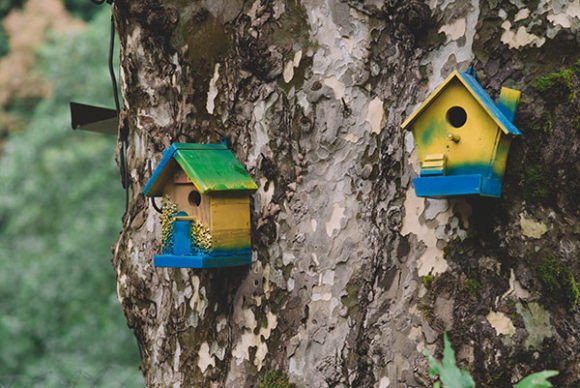
During autumn, when leaves begin to fall, a colorful birdhouse on a tree can become a focal point in the landscape. It blends beautifully with golden and crimson foliage, offering a pop of brightness in the otherwise subdued palette of the season.
Birdhouses in Modern Life and Creativity
In today’s fast-paced world, finding ways to connect with nature is more important than ever. Colorful wooden birdhouses allow homeowners and businesses to do just that. They serve as conversation starters and symbols of sustainability, showing that even small actions can make a big difference in supporting local wildlife.
Decorative Uses Beyond Wildlife
While their primary function is to provide shelter for birds, birdhouses are also widely used for decorative purposes. They appear in:
- Outdoor Displays: As part of garden art or seasonal decorations, especially in spring and summer.
- Commercial Landscaping: Parks, botanical gardens, and eco-friendly resorts often install birdhouses to enhance visitor experience and promote environmental awareness.
- Indoor Settings: Some birdhouses are designed as wall-mounted decorations, adding a touch of woodland charm without being used for nesting.
Encouraging Creativity and Education
Birdhouses are not only useful for birds but also serve as creative projects for people. Many DIY enthusiasts enjoy building and painting their own birdhouses, which can be a fun family activity or a relaxing hobby. Additionally, birdhouses are commonly used in educational settings to teach children about wildlife, ecosystems, and the importance of protecting natural habitats.
Common Misconceptions About Birdhouses
Despite their popularity, there are several misconceptions about birdhouses that need clarification:
- Misconception: "Any bird will use a birdhouse." Reality: Only cavity-nesting birds rely on birdhouses. Species like robins or hawks typically build nests in bushes or trees rather than inside a box.
- Misconception: "Bright colors scare birds away." Reality: While some birds may prefer muted tones, others are drawn to the vibrancy of a colorful birdhouse, especially if it contrasts with the background.
- Misconception: "Birdhouses don’t require maintenance." Reality: To remain functional and attractive, birdhouses should be cleaned annually and inspected for damage or wear.
Technological and Creative Trends in Birdhouses
With the rise of digital tools and online communities, birdhouse creation has evolved beyond traditional carpentry. Today, you can find:
- Vector illustrations of colorful birdhouses used in graphic design and marketing materials.
- Online tutorials and kits that guide beginners through the process of building and decorating their own birdhouse.
- Smart birdhouses equipped with cameras or sensors that allow you to observe nesting activity remotely.
These innovations make it easier than ever to participate in wildlife conservation while expressing your style. Artists and designers also create isolated, stylized versions of birdhouses for use in branding, logos, and print media. These vector-style images capture the essence of a colorful wooden birdhouse with clean lines and bold colors, making them versatile for various applications.
Environmental Benefits of Birdhouses
Installing a birdhouse supports local wildlife and helps maintain ecological balance. Birds play a vital role in controlling insect populations, pollinating plants, and dispersing seeds. By providing them with a safe place to nest, you encourage their presence in your area, which in turn benefits the overall health of the ecosystem.
Additionally, using natural materials and avoiding plastic components ensures that your birdhouse doesn't harm the environment. Eco-conscious individuals often choose to build their birdhouses from reclaimed wood or recycled materials, further reducing their carbon footprint.
Supporting Biodiversity
Birdhouses can help restore habitats for native bird species that are struggling to find suitable nesting locations. This is particularly relevant in urban and suburban areas where trees are limited or heavily pruned. Installing a few colorful birdhouses in your neighborhood can encourage birds to stay year-round and increase local biodiversity.
Practical Relevance in Daily Life
Whether you live in a city apartment or a countryside estate, a colorful wooden birdhouse can fit into your lifestyle in meaningful ways:
- Urban Gardening: Small rooftop or balcony gardens can host compact birdhouses, inviting feathered friends to visit even in densely populated areas.
- Community Projects: Schools and community centers often organize birdhouse-building workshops to engage students and residents in environmental education.
- Business Branding: Companies focused on sustainability or nature often incorporate birdhouses into their brand visuals, using them as symbols of care for the planet.
By bringing a bit of the forest into our everyday lives, birdhouses remind us of the importance of coexisting with nature. Their presence encourages mindfulness and appreciation for the wildlife around us.
Conclusion
Colorful wooden birdhouses are more than just charming decorations; they are valuable tools for supporting wildlife and enhancing outdoor environments. Whether you're looking to attract birds to your garden, teach your children about nature, or simply enjoy a beautiful piece of handmade decor, a birdhouse can fulfill all these roles and more. With thoughtful design and proper placement, these small shelters can make a big impact on both the ecosystem and your enjoyment of the outdoors.
As you consider adding a birdhouse on a tree to your property, remember to prioritize functionality, safety, and aesthetics. Embrace the opportunity to create something that not only looks good but also serves a purpose in the greater scheme of things. After all, every colorful birdhouse built is a step toward a more vibrant and wildlife-friendly world.