Colorful Vertical Lines for Background: A Strategic Design Element with Versatile Applications
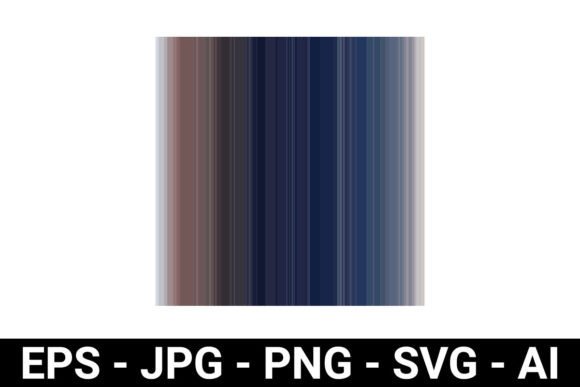
Colorful vertical lines for background are more than just a visual trend—they’re a design strategy that can elevate aesthetics, enhance communication, and support branding across multiple platforms. These elements consist of straight, geometric shapes arranged in a vertical pattern, often incorporating a mix of colors, gradients, or minimalistic tones like black, gray, and blue. When used intentionally, they offer a modern, decorative backdrop that can be tailored to fit diverse needs—from digital marketing assets to interior design inspiration.
The Strategic Value of Colorful Vertical Lines
In the world of design and branding, every element serves a purpose. Colorful vertical lines for background provide a structured yet dynamic canvas that can guide the viewer’s eye, create rhythm, and establish visual hierarchy. This makes them especially valuable for professionals who need to communicate ideas clearly and effectively while maintaining an appealing aesthetic.
For entrepreneurs and marketers, these lines can be used to build cohesive brand identities by offering a consistent visual motif across websites, social media, packaging, and promotional materials. The minimalist nature of vertical stripes allows other content—such as logos, text, or product images—to stand out without overwhelming the viewer. Additionally, the use of color can evoke specific emotions or associations, aligning the design with the intended message or tone.
Enhancing Creativity and Productivity
Designers, bloggers, and content creators often seek tools that streamline their workflow while enabling creative expression. Colorful vertical lines for background fulfill both roles by providing a ready-to-use graphic asset that can be customized for various projects. Whether you're working with AI-generated designs, vector formats like EPS or SVG, or high-resolution JPG and PNG files, these patterns allow for flexibility and adaptability.
- Time Efficiency: Using pre-made colorful vertical line templates saves hours of custom design work, allowing teams to focus on higher-level strategic decisions.
- Consistency: These lines help maintain a uniform look across all branded content, reinforcing professionalism and trustworthiness.
- Visual Interest: When applied thoughtfully, they add depth and movement to otherwise flat or static backgrounds.
Practical Use Cases Across Industries
From corporate offices to personal blogs, the applications of colorful vertical lines for background are vast. Here are some realistic use cases where this design choice can make a meaningful impact:
1. Website and App Design
Websites often require a balance between clean layouts and engaging visuals. Incorporating colorful vertical lines into a site's background can help achieve that equilibrium. For example, a SaaS company might use subtle gray and blue lines to convey structure and reliability, while a creative agency could opt for bold, vibrant stripes to reflect innovation and energy.
Tip: Pair vertical lines with white space to avoid clutter and ensure readability. Test different color combinations using A/B testing to determine which versions convert best.
2. Social Media Graphics
With the rise of platforms like Instagram, Pinterest, and LinkedIn, having visually compelling graphics is essential. Colorful vertical lines for background serve as excellent base layers for infographics, banners, and posts. They can help separate sections, highlight key points, or even act as dividers within carousel posts.
Example: A blogger sharing productivity tips might use dark vertical lines with bright accents to create a striking contrast that emphasizes each tip individually.
3. Interior and Office Decor
Interior designers frequently turn to geometric patterns to modernize spaces. Colorful vertical lines for background can be printed as wall art, used in digital displays, or incorporated into office partitions. Their linear structure promotes a sense of order and calm, which is particularly beneficial in environments focused on creativity and concentration.
Strategic Observation: In office settings, consider using soft pastel tones or monochrome variations of vertical lines to reduce visual fatigue during long work hours.
4. Branding and Packaging
Whether it’s a logo backdrop or a product box, the right background can influence customer perception. Colorful vertical lines introduce a modern edge to traditional branding materials, making them feel fresh and contemporary. This is especially useful for startups aiming to differentiate themselves from competitors.
Planning Tip: Ensure the lines complement your primary brand colors and fonts. Avoid overusing them if your brand identity relies on simplicity or minimalism.
When to Use Colorful Vertical Lines for Background
While versatile, colorful vertical lines aren't always the best solution. Knowing when to deploy them is crucial to maximizing their effectiveness. Consider using them in the following scenarios:
- To Guide the Eye: Vertical lines naturally direct attention upward, making them ideal for layouts that prioritize top-down navigation.
- To Add Depth Without Complexity: If you want to break up monotony but keep things simple, these lines can do the trick without introducing too many visual distractions.
- To Reflect Modernity: Their clean and geometric nature aligns well with brands or products that aim to project a forward-thinking image.
- To Enhance Minimalist Designs: Even in a minimalist context, vertical lines can subtly define sections or add texture to a plain background.
What to Consider Before Relying on Vertical Lines
Before integrating colorful vertical lines for background into your design strategy, take time to evaluate how they’ll interact with your existing content and audience expectations. Key considerations include:
- Brand Alignment: Do the lines reflect your brand’s personality? Bold and bright may suit a tech startup, while muted grays might appeal to a luxury fashion label.
- Readability: Will the lines interfere with text or important imagery? Always test with real-world content before finalizing designs.
- Contextual Relevance: Are the lines suitable for the platform or medium? A mobile app might benefit from simpler lines compared to a large-scale print campaign.
Risks of Random Application
One common mistake is using colorful vertical lines for background without a clear objective. This can lead to a disjointed look and confuse your audience. For instance, adding overly vibrant lines to a professional corporate website might unintentionally signal informality or lack of direction.
Moreover, without proper planning, there's a risk of overcomplicating the design. Too many colors or intricate patterns can overwhelm users and detract from the main message. It’s vital to strike a balance between visual appeal and functional clarity.
Guidance: Start small—apply vertical lines to one section of your design first. Observe user reactions and adjust based on feedback. Let the design evolve rather than forcing it into place prematurely.
Intentional Integration for Better Results
Using Colorful Vertical Lines for Background intentionally means understanding how they contribute to your overall goals. For example, a marketer might choose a ZIP folder containing AI, EPS, SVG, JPG, and PNG files to maintain consistency across both digital and print collateral. Each file type ensures compatibility and quality regardless of the application.
Here’s how to approach integration strategically:
- Define the Purpose: Are you aiming to improve aesthetics, enhance usability, or reinforce a brand message?
- Select the Right Colors: Use color psychology to guide your choices—blue for trust, red for urgency, green for growth, etc.
- Consider Line Spacing and Thickness: These factors affect perception. Thin, evenly spaced lines suggest precision; thick, uneven lines may convey dynamism or creativity.
- Test Across Devices: Ensure the lines render consistently on desktops, tablets, and smartphones to maintain a seamless experience.
Real-World Examples
Several industries have successfully leveraged colorful vertical lines for background to enhance their visual storytelling:
- Education Platforms: A learning management system uses alternating gray and blue vertical lines to segment course modules, improving navigability and engagement.
- Healthcare Websites: Clean, vertical lines in soft hues are used to create a calming effect, helping visitors focus on critical health information.
- Freelancer Portfolios: A designer incorporates smooth, striped lines behind project descriptions to give the site a modern, artistic flair without distracting from the work itself.
Long-Term Value and Adaptability
Investing in a ZIP folder of Colorful Vertical Lines for Background offers long-term value beyond immediate use. As trends evolve, you can easily swap out color schemes or adjust line styles to keep your visuals current. This adaptability is particularly beneficial for businesses and creators who rely on ongoing content production.
Additionally, because these lines come in multiple file formats (AI, EPS, SVG, JPG, PNG), they can be integrated into nearly any project. From digital ads to printed brochures, the ability to scale and modify the design ensures that your investment remains relevant across channels and campaigns.
Decision-Making Guidance for Effective Use
When deciding whether to use colorful vertical lines for background, ask yourself the following questions:
- Does this pattern align with my brand identity and messaging?
- Will it enhance or hinder the user experience?
- Can I customize it for different audiences or contexts?
- Is it scalable across various mediums and resolutions?
By answering these questions honestly, you can ensure that your use of vertical lines supports your broader objectives and adds real value to your work.
Final Thoughts on Thoughtful Design Choices
Colorful vertical lines for background are a powerful tool when used with intention and strategy. They can transform a dull layout into something memorable, help organize complex information, and even shape emotional responses. However, like any design element, they must be considered carefully to avoid misalignment with your goals.
Entrepreneurs, marketers, educators, and creators alike should view these lines not as a quick fix but as part of a larger design ecosystem. Whether you're enhancing a digital campaign, designing a new workspace, or building a brand from scratch, thoughtful application of this pattern can yield better results and more impactful outcomes.